1. Enhanced Website Security
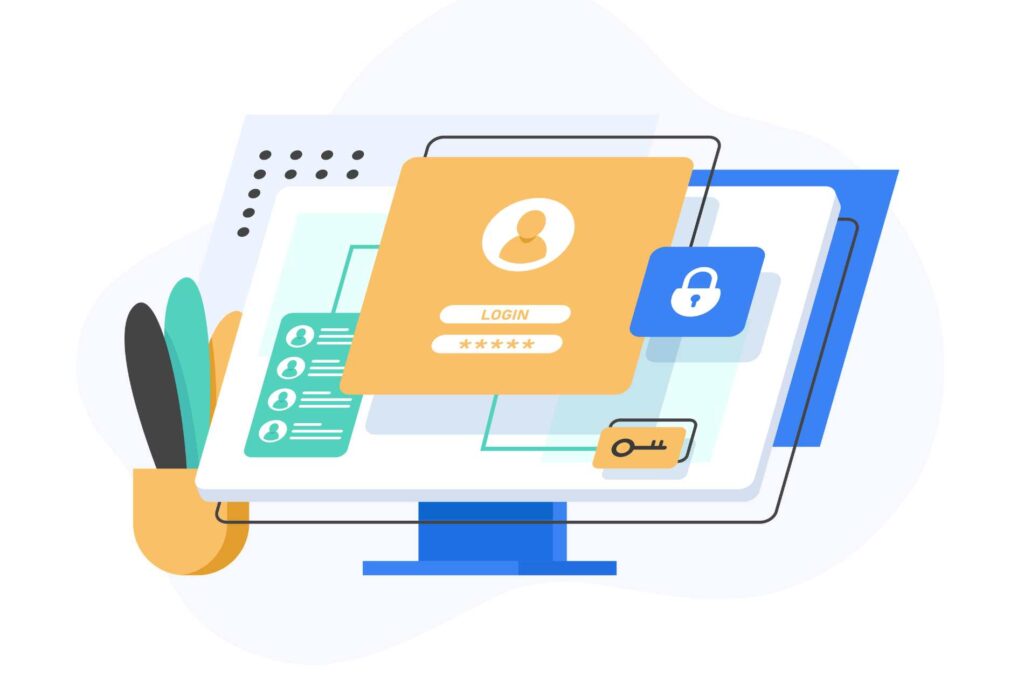
Cybersecurity threats are evolving every day. Hackers are constantly scanning for vulnerabilities in outdated software, plugins, and themes. If you are using a CMS like WordPress, failing to update your core files is like leaving your front door unlocked.
Regular maintenance ensures that:
- Security patches are applied immediately.
- Malware scans are run to detect hidden threats.
- SSL certificates are valid, ensuring data encryption for your users.
A compromised website can lead to data breaches, loss of customer trust, and blacklisting by search engines. Preventative maintenance is far cheaper than recovering from a hack.
2. Improved SEO Performance
Did you know that website maintenance directly impacts your Google rankings? Search engines like Google prioritize websites that offer a safe and high-quality user experience.
If your site is riddled with broken links, slow loading times, or outdated content, search engine crawlers will downgrade your visibility. Regular maintenance helps you:
- Fix 404 errors and broken links that hurt crawlability.
- Optimize site speed by cleaning up databases and caching files.
- Ensure mobile responsiveness as new devices hit the market.
Consistent upkeep signals to Google that your site is active and authoritative, which is a key factor in climbing the SERPs (Search Engine Results Pages).
3. Better User Experience (UX)
Your website is often the first interaction a customer has with your brand. If that experience is frustrating, they won’t come back.
Nothing drives visitors away faster than:
- Images that fail to load.
- Forms that don’t submit.
- Pages that take more than 3 seconds to load.
Routine checks ensure that all interactive elements function correctly. A smooth, glitch-free experience keeps users on your site longer, increasing the likelihood of conversion.
4. Protecting Your Brand Credibility
An outdated website screams “negligence.” If a potential client sees a copyright date from three years ago or news articles that are no longer relevant, they may question if your business is still operational.
Regular content updates and design tweaks show that your business is active, modern, and attentive to detail. Website maintenance preserves your professional image and builds trust with your audience.
5. Cost Efficiency in the Long Run
Some business owners skip maintenance to save money. However, this is a classic case of “penny-wise, pound-foolish.”
When a website crashes due to neglect, emergency repairs are significantly more expensive than the cost of a monthly maintenance plan. Additionally, downtime means lost revenue. By investing in regular upkeep, you avoid catastrophic failures and expensive emergency developer fees.
6. Compatibility with New Technologies
The web is constantly changing. Browsers update, new plugins are released, and coding standards evolve.
Without maintenance, your website may become incompatible with new browser versions or third-party integrations (like payment gateways or CRM tools). Regular updates ensure your site remains compatible with the modern tech stack, preventing functionality gaps.
7. Regular Backups and Disaster Recovery
Even with the best security, accidents happen. A bad plugin update or a server error can wipe out your site.
A crucial part of website maintenance is scheduling regular backups. If something goes wrong, you can restore your site to a previous working version within minutes. Without backups, you risk permanently losing all your content, customer data, and hard work.
What Should a Website Maintenance Checklist Include?
To ensure your site stays healthy, your maintenance routine should cover the following basics:
- Core Software Updates: CMS, themes, and plugins.
- Security Scans: Malware detection and firewall checks.
- Backup Verification: Ensuring backups are running and can be restored.
- Uptime Monitoring: Getting alerted immediately if the site goes down.
- Content Audits: Updating old blog posts and checking for broken links.
- Speed Optimization: Compressing images and clearing caches.
Conclusion: Don’t Let Your Website Gather Dust
Your website is a living, breathing asset that requires care. Understanding why website maintenance is crucial is the first step toward protecting your investment.
By prioritizing security, SEO, and user experience, you ensure that your website continues to generate leads and revenue for years to come. Don’t wait for a crash to take action.
Is your website due for a check-up? Contact us today to learn about our comprehensive website maintenance packages and keep your business running smoothly online.